Resource / Blog
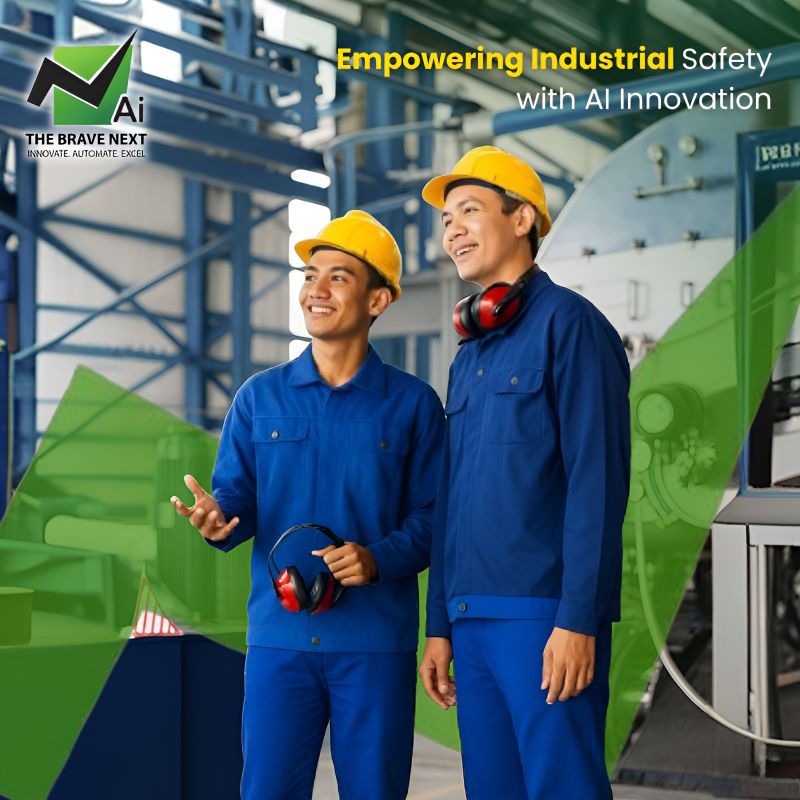
Industrial workplaces are the backbone of global progress, but they often face high-risk environments where safety and efficiency must coexist. Traditional safety methods, while essential, can fall short in detecting hazards in real time. Artificial Intelligence (AI) is changing that narrative — empowering industries with advanced monitoring, predictive analytics, and automation that minimize risks and enhance worker protection.
As industries expand and operations become more complex, workplace safety challenges are rising. From machinery accidents to human error, even minor oversights can lead to major losses. AI-driven safety solutions offer continuous vigilance, reducing risks and ensuring compliance with international safety standards.
Manual inspections and reactive safety measures often lead to delays in hazard identification. Human fatigue, inconsistent reporting, and lack of real-time visibility can compromise safety. AI addresses these issues by providing automated, consistent, and 24/7 monitoring capabilities.
AI systems use smart vision, deep learning, and data analytics to identify unsafe behaviors or environmental risks instantly. These technologies can detect PPE violations, monitor equipment zones, and alert supervisors before accidents occur — creating a proactive safety culture.
AI-enabled cameras and sensors provide continuous oversight of critical areas. They can detect unusual patterns like unsafe movement near heavy machinery, spills, or equipment overheating. Instant alerts help teams respond before incidents escalate.
Ensuring that workers wear proper protective gear is crucial. AI vision systems automatically recognize helmets, gloves, vests, and other PPE. When violations occur, alerts are triggered, helping maintain compliance effortlessly across large worksites.
Beyond detection, AI analyzes historical data to predict potential hazards. For example, it can identify patterns showing when or where incidents are likely to occur, allowing companies to take preventive actions and improve safety protocols in advance.
AI centralizes safety data into easy-to-understand dashboards. Managers can analyze performance, identify weak points, and make informed decisions that improve both safety and productivity. Data insights replace guesswork with precision.
AI-based simulations and training modules help workers understand risks through realistic scenarios. Employees learn to recognize and avoid dangers in a safe, controlled environment — improving overall awareness and compliance.
AI doesn’t replace existing safety setups — it enhances them. Whether it’s integrating with CCTV networks or IoT devices, AI tools can seamlessly connect with current systems, adding intelligence and automation without major infrastructure changes.
The future of industrial safety lies in full automation and predictive intelligence. As AI continues to evolve, it will not only prevent accidents but also create adaptive, self-learning systems that continuously improve safety outcomes.
Our in-depth analysis of AI-driven workplace safety has been featured across respected publishing and industry platforms. You can explore the full article on:
AI enhances safety by using smart vision, sensors, and data analytics to detect unsafe actions, PPE violations, and environmental hazards in real time. It provides instant alerts to prevent accidents before they happen, ensuring a safer and more efficient work environment.
Yes. AI-powered safety platforms can easily integrate with existing CCTV cameras, IoT devices, and management systems. This allows industries to upgrade their current safety protocols without requiring a complete infrastructure overhaul.
AI solutions offer continuous monitoring, faster hazard detection, improved compliance, predictive maintenance, and data-driven decision-making. These benefits lead to fewer accidents, reduced downtime, and a stronger safety culture across the organization.

Please send your query or requirements in detail via whatsapp, and we will respond shortly.
Thank you!