Resource / Blog
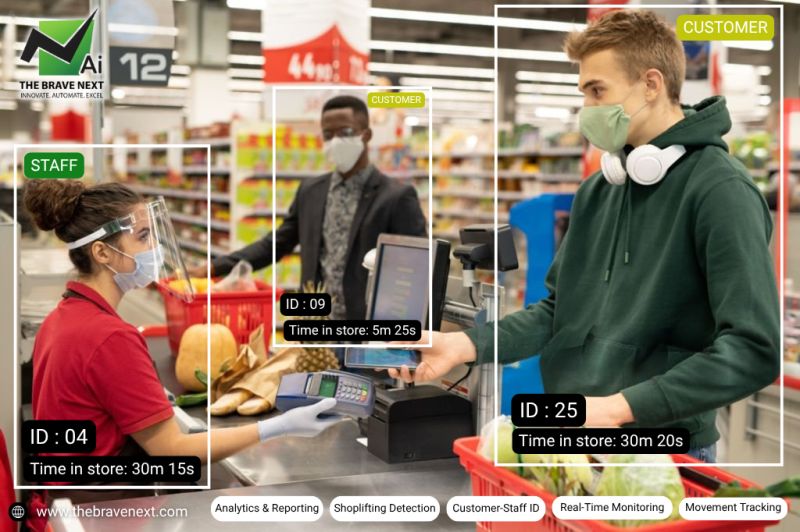
The retail industry is experiencing a major shift as artificial intelligence becomes a powerful tool for monitoring customer behavior, improving store operations, and maximizing sales. From tracking how long customers spend in-store to analyzing movement patterns and preventing theft, AI is turning traditional stores into smart, data-driven environments. This transformation is helping retailers deliver faster service, gain deeper insights, and make smarter business decisions—all in real time.
Modern AI systems can identify whether a person entering the store is a staff member or a customer, assigning them unique IDs for tracking. This ensures better store organization, prevents unauthorized access, and helps retailers understand customer flow patterns.
AI uses smart cameras and sensors to track how long customers stay inside the store and where they spend most of their time. This data helps retailers optimize store layout, manage queues, and improve customer satisfaction.
AI transforms raw movement data into useful insights—such as peak hours, most-visited aisles, and average shopping time. These analytics help store managers make informed decisions regarding stock placement, staff scheduling, and promotional strategies.
At checkout counters, AI monitors staff performance and customer wait times. It helps detect slowdowns and ensures smooth billing operations, improving both speed and accuracy during peak hours.
AI-powered systems can detect suspicious behavior such as unusual movement patterns or lingering in specific sections. This reduces shoplifting risks and gives retailers advanced security without requiring extra manpower.
AI tracks the presence and activities of store employees, helping management understand productivity levels. It highlights areas where additional training or support is needed, ultimately enhancing daily operations.
By analyzing customer movement heatmaps, AI shows which areas shoppers visit most and which sections they skip. Retailers can rearrange products to maximize exposure, drive sales, and create a smoother shopping experience.
AI helps retailers understand customer behavior, preferences, and buying patterns. This enables stores to create personalized promotions, better product placement, and a more convenient shopping environment.
As AI evolves, it will continue to automate manual processes, from inventory management to digital payments. This shift enables retailers to operate faster, smarter, and more cost-effectively.
From smart cameras to advanced analytics dashboards, AI tools offer real-time monitoring, customer insights, and actionable data. These technologies empower retailers to stay competitive and move toward a fully intelligent store ecosystem.
Our in-depth analysis of AI-driven workplace safety has been featured across respected publishing and industry platforms. You can explore the full article on:
AI analyzes vast amounts of sales, inventory, and customer data to identify trends, predict demand, and optimize pricing. It turns raw data into actionable insights, helping retailers make smarter decisions and boost profitability.
AI analyzes vast amounts of sales, inventory, and customer data to identify trends, predict demand, and optimize pricing. It turns raw data into actionable insights, helping retailers make smarter decisions and boost profitability.
Yes, when implemented responsibly. Retailers using AI must comply with privacy laws and regulations, anonymize personal data, and ensure transparency in data collection, so customers’ identities and personal information remain protected.

Please send your query or requirements in detail via whatsapp, and we will respond shortly.
Thank you!